
It started with 170 people in the mountains of West Virginia — a small, intentional gathering of rural ecosystem builders who didn’t need to explain themselves to each other. Over the following years, that gathering grew: new cities, new voices, new questions, and a community that kept expanding without losing the quality that made the first one worth attending.
What draws people to a RuralRISE event is harder to put into a brochure than a speaker list or an agenda. Part of it is the recognition that rural America resists easy definition — that what rural means in the Arkansas Delta is not what it means in rural Kansas or coastal Maine or central Appalachia — and that this complexity, far from being a problem, is exactly the point.
Rural America is frequently discussed and infrequently understood. For more than a decade, RuralRISE has worked to close that gap by connecting the people who know rural from the inside with the broader conversations, resources, and relationships that shape what rural communities have the capacity to become.
It all began with a simple but powerful idea: that the people building entrepreneurial ecosystems in rural communities had more to learn from each other than from any outside expert.
Ecosystem building — the patient, relational work of connecting entrepreneurs to capital, mentorship, markets, and each other — was still an emerging discipline when RuralRISE was founded. The first gathering made clear that rural communities were already doing this work, often without a common language for it, and that bringing practitioners together had the power to accelerate what each was previously doing alone.
Connectivity quickly became the thread that ran through almost every conversation. Not just broadband infrastructure — though that fight has been central and urgent, and is far from finished — but the deeper question of what it means for a rural community to be connected: to markets, to opportunity, to the national conversations that determine how resources flow and where investment lands. RuralRISE has consistently brought together the people working on both ends of the questions rural communities face.
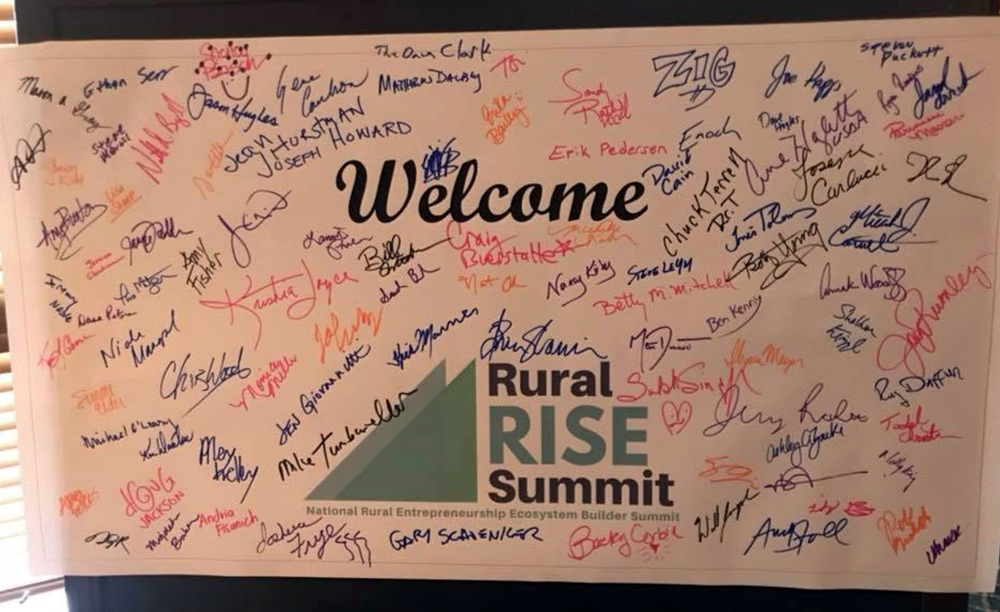
What a decade of gathering has built is something harder to diagram than a network map but more durable than any single event: a community of practitioners, researchers, funders, and community leaders who have found each other or reconnected through RuralRISE and stayed connected long after the events themselves ended.
That decade of partnerships, relationships, and rural presence makes it possible to surface what’s working, connect the right people, and bring rural realities into the places and conversations where they’re needed.
Over the past decade, that community has gathered in rural communities around the United States, in mountain resorts and Delta convention centers, in historic theaters and virtual rooms, each time in a different place or format, always around the same stubborn belief that rural America is worth understanding on its own terms.
The mountains of West Virginia were a fitting place to begin. Canaan Valley Resort sits in one of the most remote corners of one of the most rural states in the country, making it exactly the right setting for a gathering of people who had spent their careers trying to explain life in rural America to people who had never lived it.
Three hours to the nearest airport. Moonshine tasting. And an inaugural event that attendees still talk about.
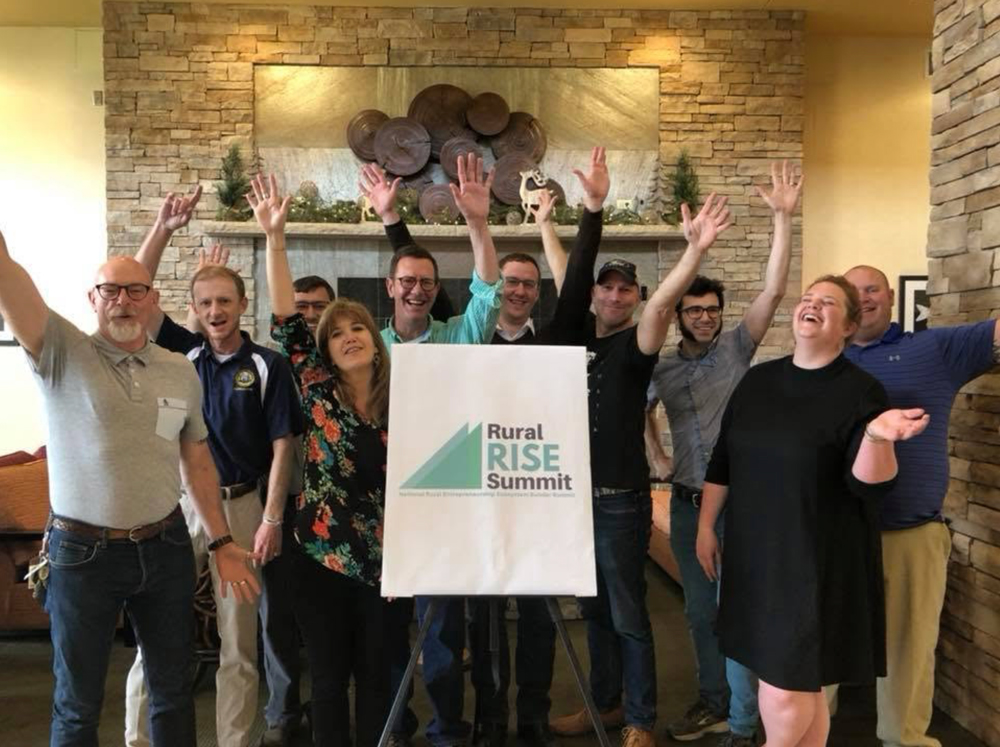
The first RuralRISE Summit brought together community leaders and ecosystem builders for three days of practitioner-led sessions and small-group working discussions. By the end, participants had collectively identified 90 resources and generated nearly 1,400 distinct insights, which were later compiled into a post-event report, The Rise of Rural Entrepreneurship. The first event was proof that something real had taken root.
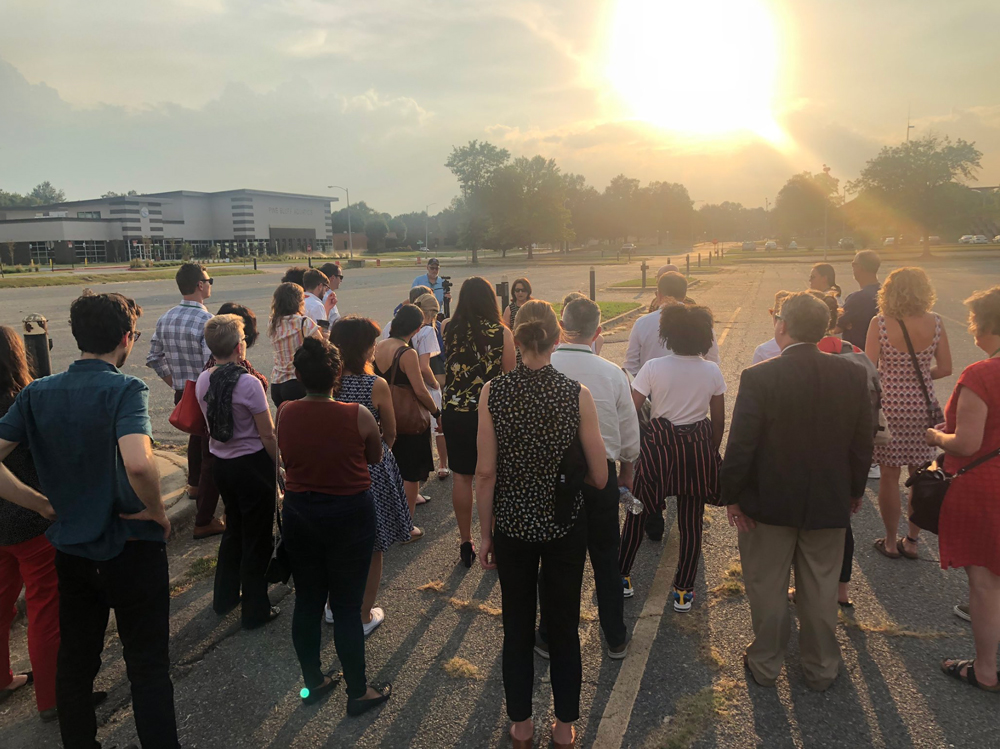
If the first summit proved the conversation was worth having, Pine Bluff proved it was worth seeing what rural looks like across the country. The second annual RuralRISE Summit landed in the Arkansas Delta — itself a community deep in the work of revitalization — and the city showed up for it in every sense.
The Pine Bluff Convention Center, reopened for the occasion after years without any events, filled with rural ecosystem builders from across the country. But the most compelling voices weren’t always at the podium. Go Forward Pine Bluff, the local entrepreneurship hub, was a visible presence and organizing partner throughout. Mayor Shirley Washington offered a mayoral proclamation welcoming the summit to the city.
And the evenings — a “Taste of Arkansas” barbecue at the Pine Bluff Country Club, a walking tour of downtown, a reception with live music at the Donald W. Reynolds Community Center — felt less like conference social events than an invitation to see what the community had been quietly building. That pride was palpable. And it was exactly the kind of story RuralRISE exists to amplify.
By the time the RuralRISE Summit arrived in Emporia, the organization had spent years making the case that rural communities are worth paying attention to. Emporia made the case on its own.
A Main Street town with a strong local ecosystem and deep roots in community-driven economic development, Emporia was a natural fit — recommended by longtime partner NetWork Kansas, and brought to life with the help of community partners, including Emporia Main Street. The Granada Theater, a beautifully restored historic venue in the heart of downtown, provided the perfect setting for three days of convening.
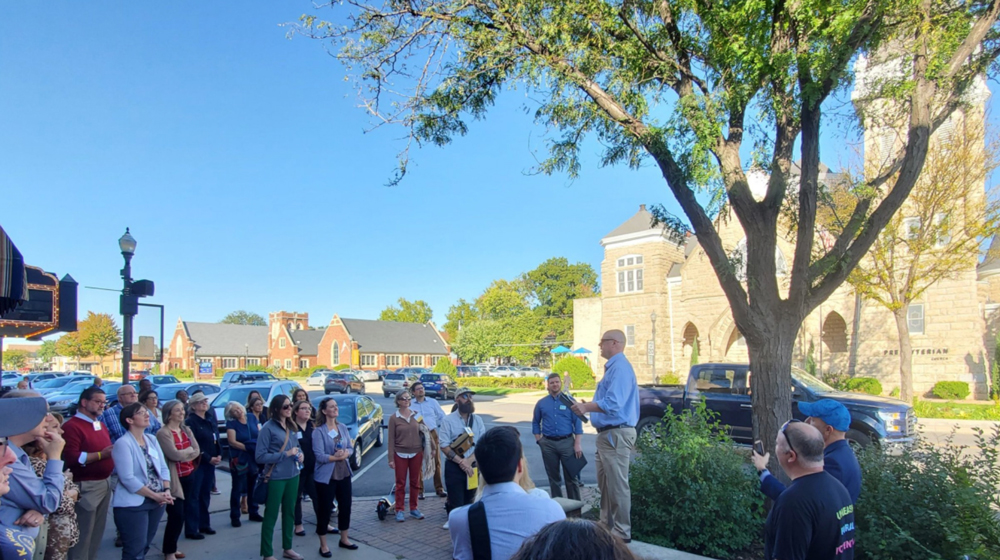
The hybrid summit drew rural leaders, ecosystem builders, economic developers, and practitioners from across the country, with a live-stream component extending the conversation to virtual attendees as well. Evening programming — a downtown walking tour and a “Taste of Emporia” block party — invited attendees to experience firsthand what a rural community in the middle of its own revitalization story looks and feels like.
The summits tell part of the story. But RuralRISE has always been as much about the conversation as the gathering, and some of the most focused work has happened in virtual convenings built around a single urgent question.
When the world went virtual, RuralRISE did too. The 2020 virtual summit gathered rural ecosystem builders and entrepreneurs from across the country for a full day of sessions focused on the question that was on everyone’s mind: what does recovery look like for rural communities, and who gets to shape it?
Programming examined how states were responding to the economic disruptions hitting rural small businesses hardest, what the data actually showed about rural resilience, and where the opportunities were hiding inside the crisis.
Heartland Forward brought research findings to the conversation. Mac Warner, then Secretary of State of West Virginia, addressed the gathering. It wouldn’t be a RuralRISE event without the chance to connect, so the day closed with themed virtual networking rooms — rural foods and beverages, creative economies, education, community innovation — that reflected just how wide the RuralRISE tent had always been.
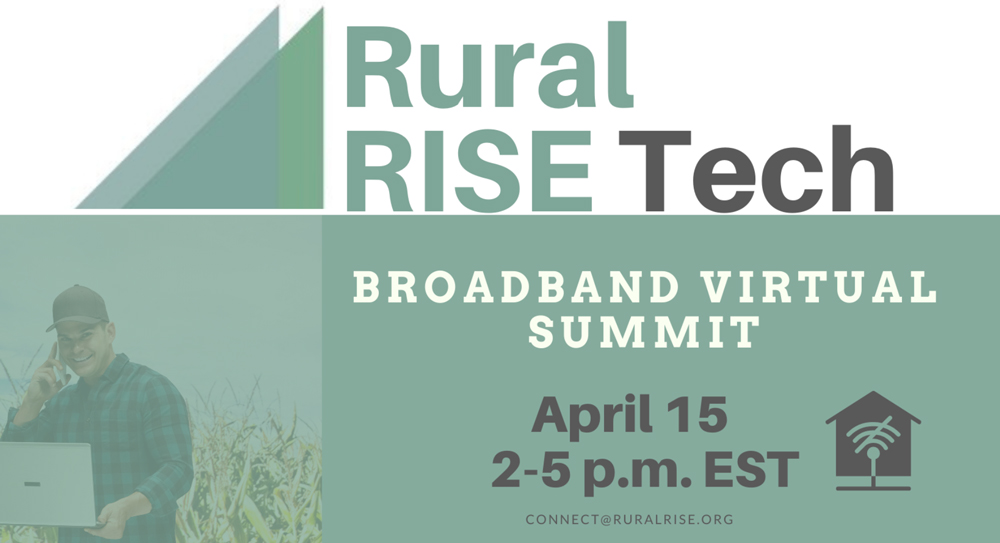
Broadband has been a recurring thread in RuralRISE conversations for years, and this half-day virtual event pulled that thread to the center.
Sessions examined the role of cooperatives in rural broadband deployment, state-level partnership models that were actually working, digital inclusion and equity programming, anchor institution connectivity, and the mechanics of building public-private partnerships for fiber deployment. Speakers and panelists came from a cross-sector lineup that reflected how many different players it actually takes to close the digital divide in rural America. And community quick pitches showcased on-the-ground broadband projects from across the country as proof that rural communities weren’t waiting for permission to solve their own connectivity challenges.
The Leadership Academy & Summit focused on the full sweep of what it takes to build thriving rural communities and who needs to be in the room when those conversations happen.
Over two days, sessions ranged from innovative rural funding models and federal resources to public policy advocacy, board governance, and the role of local media in rural communities. Speakers and panelists included a lineup that reflected just how many sectors have a stake in rural America’s future.
FCC Commissioner Brendan Carr delivered a keynote on broadband access and the infrastructure investment landscape for rural and tribal communities. Dr. Dell Gines of the Federal Reserve Bank of Kansas City examined the many faces of rural America and the importance of cross-sector ecosystem development. And Sue — whose story of leaving Mother Teresa’s side to serve rural communities across the world has become something of a RuralRISE tradition — closed the summit.
The summits may have ended, but the conversations haven’t. The RuralRISE community continues to grow through partnerships, programming, and the ongoing work of connecting the people who know rural from the inside with the broader conversations that shape what rural communities can become.
The next chapter is still being written, and there’s room in it for anyone who believes rural America is worth paying attention to.